
Why the soil under our polo pitch must be stone-free
At Marsa, the soil beneath the grass determines how a pony lands, where rainwater goes and whether an aerator can reach the roots.
Help bring polo back to Marsa
We are asking the Government of Malta to grant Malta Polo Club a direct, long-term lease on our ground. Add your name, then invite your Facebook friends to sign.
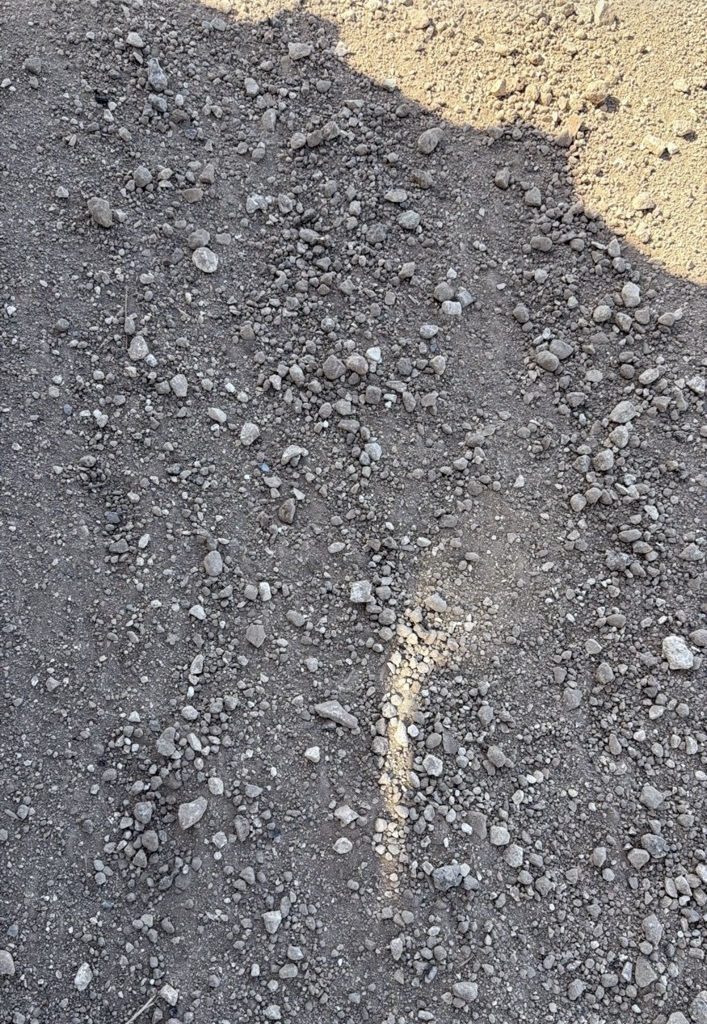
Picture a pony turning after the ball. A hoof lifts a divot and exposes the soil underneath. The next pony may put its foot in that very spot. A stone just below the grass can become an exposed edge in a single chukka.
There is another reason we care about buried stones. Long after the construction team leaves Marsa, our grounds team will need to drive steel tines into the pitch to keep the turf healthy. That work starts with the decisions made before the first blade of grass grows.
What belongs beneath the grass?
In October 2022, Battro Polo Fields specified at least 25 cm of stone-free soil for Marsa. In May 2026, its fourth construction report described the proposed layers in more detail. Read from the surface down, each has a different job.
- First 10 cm The growing layer
- Battro proposed 70% silica sand, 15% stone-free local soil and 15% organic material. The sand helps water move through the mix. The soil and organic material help hold moisture around the roots.
- Next 18 cm Stone-free loam or sandy soil
- This layer gives roots room to grow and deep aerator tines room to work. A tine reaching 25 cm passes through the entire top layer and well into this one.
- Below 28 cm Supporting ground
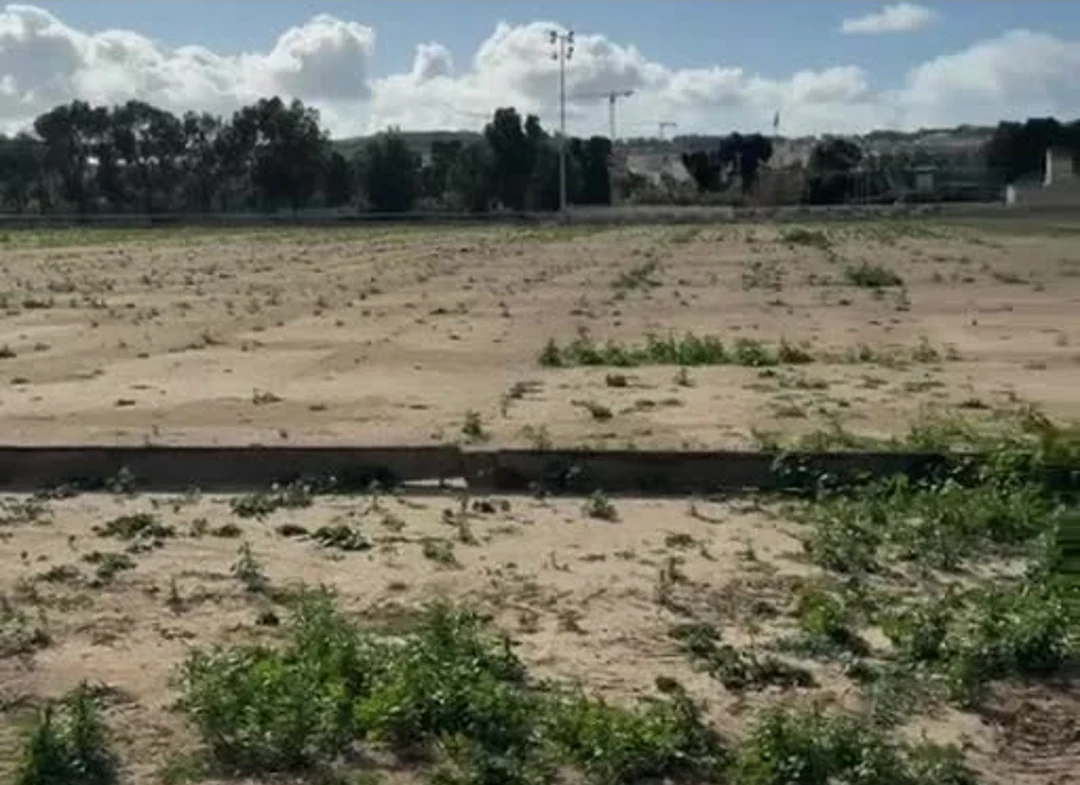
- The lower soil and natural subsoil support the layers above. The fill must be laid and compacted evenly. In December 2025, Battro reported gaps around large rocks in the fill at Marsa and called for specialist advice on the risk of settlement.
Before covering each layer, the construction team can check its material, depth and level against the same survey points across the field. The gentle fall must carry rain past the sideboards to the drains. A hollow buried today can still hold water after the pitch looks green.
Why a grass pitch needs aeration
Hooves and machinery press soil particles together. As the gaps between them close, less air reaches the roots and water soaks in more slowly. In dry weather that compacted ground can become very hard. After rain, water can sit on the same patch. Shallow-rooted grass then struggles to hold together when a pony turns.
An aerator drives a pattern of tines into the ground. Solid tines open channels and can loosen compacted soil at depth. Hollow tines lift out small plugs of soil. Both methods give the grounds team ways to improve the movement of air and water. The choice and timing depend on the soil moisture, grass growth and match schedule.
A buried stone can stop or deflect a tine, bend it or break it. The machine may leave one strip properly aerated and another hard. Spreading fresh sand over the surface still leaves that obstacle at working depth. This is why we ask for stone-free soil throughout both upper layers. Graded stone can serve a purpose around a drain when the drainage design calls for it. Its size and position there are deliberately controlled.

The machinery behind a playable pitch
Battro’s original report included an equipment list. In May 2026 the club sought quotations for turf machinery. Each item answers a practical question for a club with one main field.
- Tractor with turf tyres
- Carries or pulls the implements across the pitch. Broad turf tyres spread the load and help limit rutting. The crew still has to keep heavy equipment off ground that is too wet.
- Deep-tine aerator and coring equipment
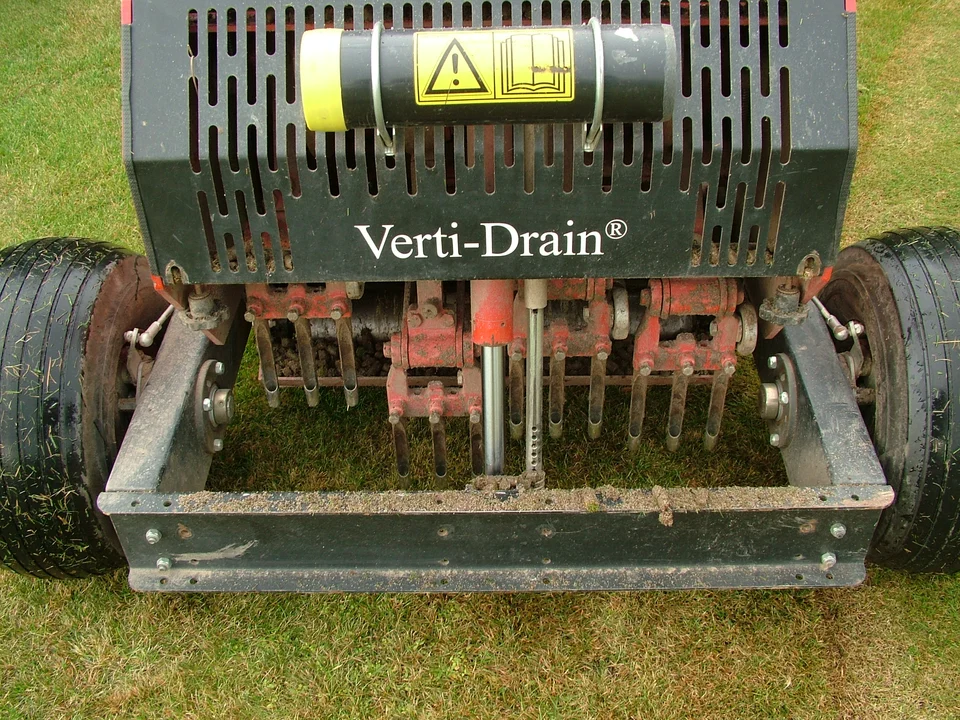
- Open the soil beneath worn areas so roots can keep growing. Battro listed a Verti-Drain 7526 or equivalent with solid tines, plus a separate aerator.
- Reel mower
- Cuts the grass evenly so a polo ball can roll predictably. Regular mowing at a height the turf can sustain also helps it form a dense cover.
- Sand topdresser
- Spreads a thin, even layer of compatible stone-free sand. Used alongside divot repair and aeration, it helps restore an even surface between matches.
- Irrigation and feeding equipment
- Sprinklers put water where young roots need it. A calibrated spreader applies nutrients evenly. The grounds team can adjust both after checking moisture and growth across the pitch.
At Marsa, we have no second main pitch to move a match to while the first one recovers. Before the first chukka, we want to see grass that has rooted firmly, water that reaches those roots and drains away, and consistent footing through the turns and into the run-off. Buying the right machinery makes sense when the ground beneath it allows the crew to use it.
Sign the petition for Marsa
We ask the Government of Malta to take the polo ground out of the wider racecourse concession and grant Malta Polo Club a direct, long-term lease so the club can deliver a grass pitch and rebuild the clubhouse. Read the full petition.
Have you added your name? Complete the form below so your signature counts.